2026-10-19 03:47:06
Sai Baba 3D Models CNC, 3D Printing and Decorative Designs
Sai Baba 3D Models: CNC, 3D Printing and Decorative Designs
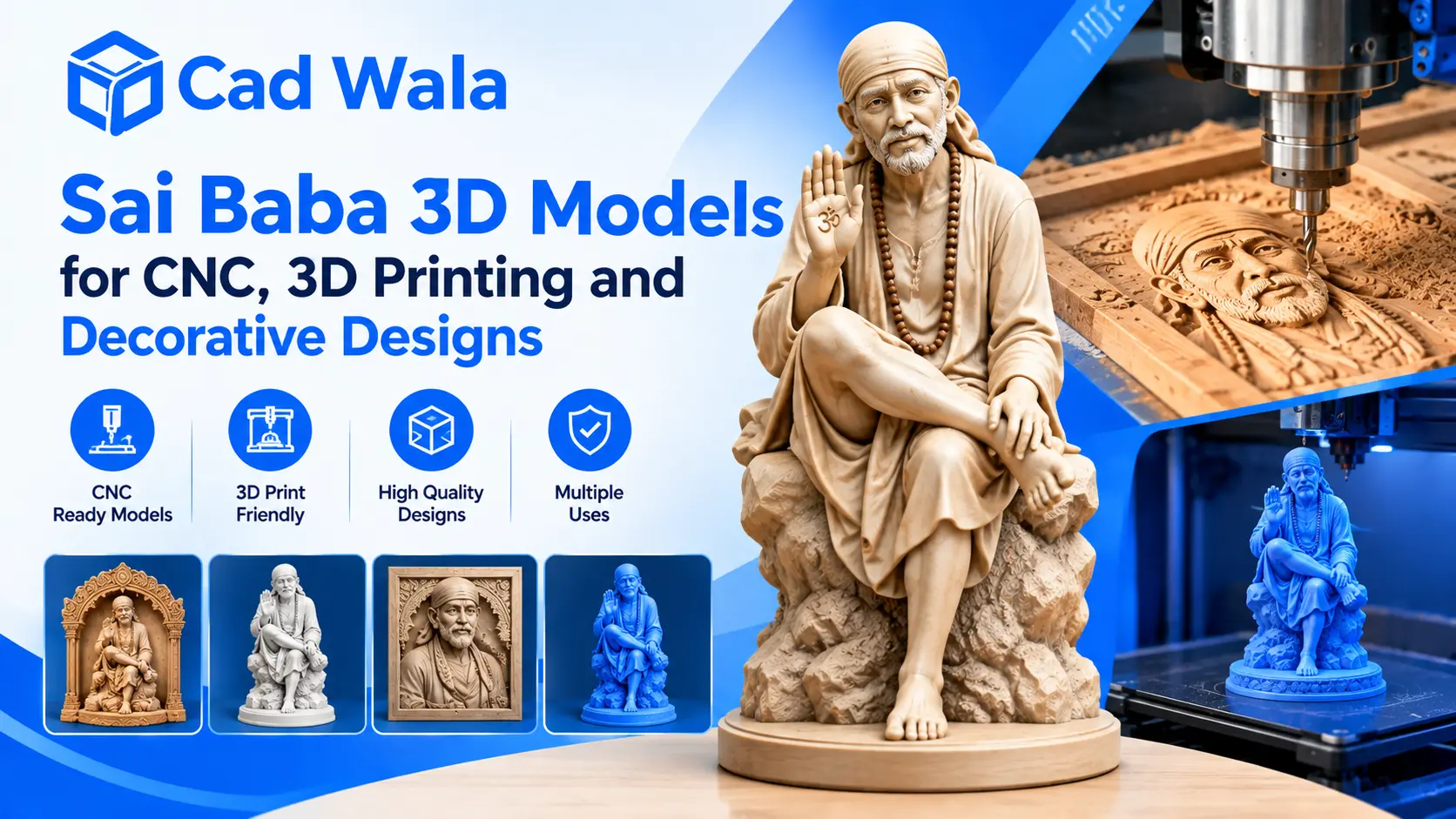
Sai Baba 3D Models are a popular choice for people who want to create beautiful religious artwork for home temples, prayer rooms, wall panels, and decorative spaces. With modern CNC carving and 3D printing technology, it is now easier to turn a digital Sai Baba design into a physical model with fine details and a clean finish. Whether you are a CNC machine operator, a 3D printing enthusiast, a woodworker, or a designer, the right 3D model can help you create artwork that suits your needs.
Sai Baba holds a special place in the hearts of millions of devotees. His peaceful face, seated posture, and blessing hand are often used in religious sculptures and decorative designs. A well-made digital model helps preserve these details while making the design suitable for different materials, machine types, and project sizes.
What Are Sai Baba 3D Models?
Sai Baba 3D Models are digital designs that show the shape, depth, and features of Sai Baba in three dimensions. Unlike a regular photograph or flat drawing, a 3D model contains depth information that can be used to create a carved panel, a printed statue, or a decorative wall piece.
These models are useful for both personal and commercial projects. For example, a homeowner may want a small Sai Baba idol for a prayer room, while a woodcarving business may need a detailed relief design for a large wall panel.
Depending on the intended use, a model may show Sai Baba sitting on a seat, giving blessings, or resting in a traditional posture. Some designs focus on the face and upper body, while others include the complete figure and decorative background.
Choosing the right design from the beginning makes the production process easier and helps you get a result that matches your expectations.
Sai Baba 3D Models for CNC Carving
CNC carving is a useful way to turn a digital design into detailed artwork on wood, MDF, acrylic, and other compatible materials. The machine follows programmed toolpaths to remove material and create the required shape.
A Sai Baba 3D model for CNC carving should have clear depth, well-defined facial features, and a suitable level of detail. These qualities help the machine reproduce important parts of the design, such as the eyes, clothing folds, hands, and background patterns.
Before selecting a model, consider the following points:
- Carving depth: The depth should suit the material thickness and the final appearance you want.
- Facial details: Clear facial features help create a recognizable and attractive design.
- Background elements: Decorative borders, seats, and halos can add beauty to the finished panel.
- Machine compatibility: The model should work with your CNC software and machining process.
- Final size: Small designs may need simpler details, while larger panels can accommodate more intricate features.
For example, if you want to create a wooden Sai Baba panel for a home temple, a relief model with a clear face and a balanced background may be a good option. For a larger decorative panel, you might prefer a design with additional patterns around the figure.
The most detailed model is not always the best choice. The right design is one that your machine can reproduce accurately with the material, tools, and time available.
Choosing a Sai Baba 3D Model for CNC Router Projects
A Sai Baba 3D model for CNC router projects should be selected according to the router's capabilities and the type of finished product you want to make. CNC routers are commonly used for decorative wood panels, doors, temple backgrounds, furniture inserts, and wall art.
One important factor is the model's surface detail. Very fine lines and deep recesses may require smaller cutting tools and more machining time. A simpler relief may be more practical when producing several identical pieces.
You should also check the model's dimensions and file format before starting the project. Some designs may need resizing, toolpath preparation, or minor adjustments in your CNC software.
For better results, preview the design before machining. Check whether the face, hands, clothing, and surrounding patterns remain clear at the intended size. A test cut on a suitable piece of scrap material can also help you identify potential problems before using your final material.
Taking these steps can reduce wasted material and help you achieve a cleaner finish.
Sai Baba 3D Printing Model: Creating Detailed Religious Artwork
3D printing offers another way to turn a digital design into a physical Sai Baba figure. Instead of removing material from a solid block, a 3D printer builds the object layer by layer.
A SaiBaba 3D printing model can be used to create small idols, decorative statues, miniature figures, and custom religious gifts. Depending on the design and printer, you can produce a compact figure for a desk or a larger statue for a dedicated prayer space.
The final quality depends on several factors, including the model's geometry, printer resolution, material, and print settings. A design with a clear face and well-shaped hands can be especially important because these features give the statue its character.
PLA is often used for decorative prints because it is easy to work with on many common FDM printers. Resin printing can capture finer details, although the appropriate choice depends on the model size, equipment, budget, and intended use.
After printing, some models may need support removal, sanding, priming, or painting. If you want a traditional stone-like or metallic appearance, the finishing process can make a noticeable difference.
How to Choose a Sai Baba STL File for 3D Printing
A SaiBaba STL files for 3D printing contains the surface geometry of a three-dimensional object. STL is widely supported by slicing software, which prepares a model for printing. However, an STL file does not automatically guarantee that the design is ready to print.
Before using a file, check these important details:
- Model quality: Look for a clean, well-shaped design with recognizable facial features and balanced proportions.
- Watertight geometry: A suitable model should generally form a closed surface without holes or other mesh problems that can confuse slicing software.
- Scale and dimensions: Check the height, width, and depth before printing. A model designed for a large statue may lose fine details when reduced too much.
- Printing orientation: The way you position the model can affect support requirements, surface quality, and printing time.
- Usage rights: If you plan to sell printed statues or use the design for commercial production, check the creator's licence and permissions.
Preview the model in your slicing software before printing. This allows you to inspect the layers, check for missing sections, estimate material use, and identify areas that may require support.
A little preparation can save hours of printing time and help prevent failed prints.
Sai Baba Design for 3D Printing: Ideas for Home and Temple Decor
A saibaba design for 3D printing can be adapted to many decorative purposes. The best option depends on where you want to display the finished piece and how much detail you want it to include.
Here are some ideas to consider:
- Small prayer-room idol: A compact seated figure can fit neatly on a shelf or home temple.
- Decorative wall plaque: A relief-style design can be mounted on a wall or used as part of a larger decorative panel.
- Desk or shelf statue: A small model can be suitable for an office, study, or personal space.
- Temple background decoration: A larger design with a halo or ornamental border can complement a prayer area.
- Personalised devotional gift: A carefully finished model can make a thoughtful gift for someone who values Sai Baba's teachings.
Think about the available space before choosing a design. A highly detailed model may look attractive on a computer screen, but its features could become difficult to see if the finished object is too small.
You should also consider the final colour and finish. Some people prefer a simple single-colour print, while others choose painting, metallic finishes, or decorative bases to match their surroundings.
CNC Carving vs 3D Printing: Which Is Better?
Both methods can produce attractive Sai Baba artwork, but they work differently and suit different projects.
CNC carving is a strong choice when you want a relief design carved into wood or another suitable solid material. It is particularly useful for decorative panels, temple doors, and larger architectural features.
3D printing is useful when you want a separate three-dimensional object, such as a small statue or miniature idol. It also makes it easier to experiment with different sizes without preparing a new physical carving block.
Your decision should depend on the final product, available equipment, material, required detail, and production budget. For a wooden wall panel, CNC carving may be the more suitable option. For a standalone figure with depth on all sides, 3D printing may offer greater flexibility.
In either case, start with a model designed for your intended process rather than assuming that every digital file will work equally well on every machine.
Tips for Getting Better Results from Sai Baba 3D Models
A successful project begins with a suitable digital design, but preparation and finishing matter just as much.
First, review the model from different angles. Check the face, hands, posture, and decorative elements before committing to production. Next, confirm that the file format is supported by your software and that the design can be resized without losing essential details.
For CNC projects, choose cutting tools and machining settings according to the material and the complexity of the design. For 3D printing, inspect the sliced preview, check support placement, and use suitable layer settings for the required finish.
Finally, give attention to the finished piece. Careful sanding, cleaning, painting, or polishing can improve its overall appearance. If the design will be displayed in a prayer room or temple, choose a finish that suits the surrounding decor and is appropriate for the material.
Conclusion
Sai Baba 3D Models make it possible to create devotional artwork for CNC carving, 3D printing, and home decoration. From wooden relief panels to detailed printed statues, the right design can help you turn a digital concept into a meaningful finished piece.
Before choosing a model, consider the machine, material, file format, level of detail, and intended use. A design that matches your project requirements is more likely to produce a clean result and save time during production.
Whether you are making a personal devotional item or creating decorative products for customers, careful model selection and proper preparation can help you achieve artwork that looks beautiful and reflects the peaceful presence of Sai Baba.